


Customer success automation has been a transformative force in how businesses engage with and retain their customers, long before the rise of large language models (LLMs) like GPT-3 and GPT-4. While LLMs have captured headlines with their advanced capabilities, the fundamental principles of customer success automation remain crucial. In fact, many businesses still struggle to implement automation effectively, missing out on its full potential.
Proper automation focuses on streamlining repetitive tasks and ensuring timely, personalized interactions, enabling customer success teams to dedicate more time to strategic initiatives that drive long-term growth. This article delves into what customer success automation is, how it is currently being utilized, its benefits and challenges, and why integrating tools like Rollstack can significantly enhance your customer success strategy. While LLMs offer exciting possibilities, the impact of well-executed customer success automation can be far more immediate and profound.
What is Customer Success Automation?
Customer success automation involves using technology to automate various tasks and processes within the customer success function. These tasks can range from sending follow-up emails and conducting satisfaction surveys to generating performance reports and monitoring customer health scores. By automating these activities, businesses can ensure consistency, efficiency, and scalability in their customer success operations.
Current Applications of Customer Success Automation
Key Areas of Automation
Onboarding Automation
Automating the onboarding process ensures that new customers receive consistent, timely information and resources to get started with a product or service. Automated onboarding sequences can include welcome emails, tutorial videos, and scheduled check-ins.
Health Monitoring Automation
Automation tools continuously monitor customer activity and usage patterns to detect potential issues or opportunities for engagement. This allows customer success teams to intervene proactively, addressing problems before they escalate.
Surveys and Feedback Automation
Automated surveys can be sent at key points in the customer journey to gather feedback and measure satisfaction. This data can then be analyzed to identify trends and areas for improvement.
Renewals and Upsells Automation
Automation can streamline the renewal process by sending reminders and providing relevant information to customers approaching the end of their subscription period. It can also identify upsell opportunities based on customer usage and behavior.
Customer Success Automation Platforms
As businesses strive to improve customer satisfaction and retention, the demand for sophisticated customer success automation platforms has grown. These platforms integrate various automation tools and technologies to streamline and enhance customer success operations. By leveraging customer success automation platforms, companies can deliver personalized experiences at scale, monitor customer health in real-time, and proactively address potential issues before they escalate. This section explores some of the leading customer success automation platforms available today, highlighting their key features and the unique value they bring to the table. Whether you're looking to automate onboarding, health monitoring, or feedback collection, these platforms provide the comprehensive solutions needed to elevate your customer success strategy.
HubSpot
HubSpot’s customer success platform includes automation features for managing customer relationships, such as automated follow-up emails, task assignments, and customer health scoring.
Gainsight
Gainsight offers a suite of automation tools designed to improve customer success outcomes, including automated playbooks, journey orchestration, and real-time customer health monitoring.
Rollstack
Rollstack automates the creation and distribution of recurring reports (e.g., Quarterly Business Reviews (QBRs), and client reports) by connecting business intelligence tools to presentation software, ensuring stakeholders receive timely and accurate information. Book a CS report automation demo.
Totango
Totango provides customer success teams with automation capabilities for customer onboarding, lifecycle management, and health monitoring. Its platform helps businesses segment customers, automate workflows, and track key success metrics.
ChurnZero
ChurnZero’s platform focuses on reducing customer churn by providing real-time insights into customer usage and engagement. It offers automation features for onboarding, customer health scoring, and personalized communication.
Planhat
Planhat’s customer success platform includes automation for customer journey mapping, health scoring, and engagement tracking. It allows businesses to automate repetitive tasks and focus on strategic customer success initiatives.
Freshdesk
Freshdesk combines customer support and success automation, offering features like automated ticket routing, customer satisfaction surveys, and performance reporting. It helps teams efficiently manage customer interactions and improve overall satisfaction.
Why Automate Customer Success Process?
It can't be overstated enough, customer success automation offers myriad advantages that can enhance the way businesses interact with their customers. By automating repetitive tasks and providing real-time insights, companies can enhance efficiency, maintain consistent and scalable processes, and deliver a superior customer experience. This section delves into the key benefits of customer success automation, exploring how it can lead to enhanced productivity, improved customer insights, proactive engagement, and ultimately, greater customer satisfaction and retention. By understanding these benefits, businesses can better leverage automation tools to drive long-term growth and success.
Enhanced Efficiency and Productivity
Automation significantly reduces the time spent on manual tasks, allowing customer success teams to focus on high-value activities that require human intervention. This leads to increased productivity and more efficient use of resources.
Consistent and Scalable Processes
Automated processes ensure that all customers receive a consistent level of service and support, regardless of the size of the customer base. This scalability is particularly important for growing businesses that need to maintain high standards of customer success as they expand.
Improved Customer Insights
Automation tools provide real-time data and analytics on customer behavior, usage patterns, and satisfaction levels. These insights enable customer success teams to make data-driven decisions and tailor their strategies to meet the specific needs of their customers.
Proactive Customer Engagement
By continuously monitoring customer health and behavior, automation tools enable proactive engagement with customers. This helps prevent churn, identify upsell opportunities, and ensure that customers are achieving their desired outcomes.
Challenges of Customer Success Automation
Complexity and Integration
Implementing automation tools can be complex and may require integration with existing systems and processes. Ensuring seamless integration and avoiding data silos is crucial for the success of automation initiatives.
Maintaining Personalization
While automation can handle many tasks, maintaining a personal touch in customer interactions is essential. Striking the right balance between automation and human engagement is critical to delivering a positive customer experience.
Data Privacy and Security
Automating customer success processes involves handling large amounts of customer data. Ensuring the privacy and security of this data is paramount, and businesses must comply with relevant data protection regulations.
Rollstack: Elevating Customer Success Automation
Rollstack is a prime example of how automation tools can enhance customer success operations. By automating the creation and distribution of reports, Rollstack saves significant time and effort for customer success teams, allowing them to focus on strategic initiatives.
Key Features of Rollstack
Seamless Integration
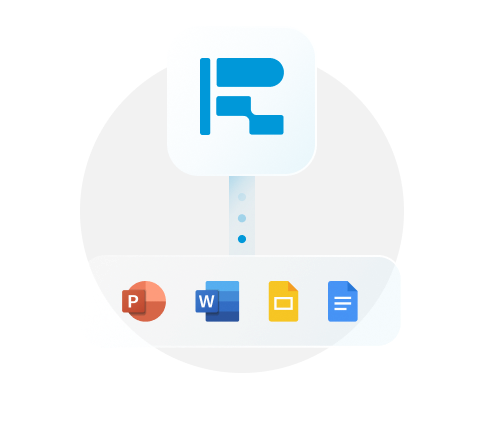
Connects with leading BI tools like Tableau, Looker, and Metabase, as well as presentation platforms like PowerPoint and Google Slides.
Efficiency
Automates the generation and distribution of reports, reducing manual effort and ensuring timely delivery of information.
Accuracy
Minimizes the risk of human error in report creation, ensuring that stakeholders receive accurate and reliable data.
Scalability
Supports the needs of growing businesses by automating repetitive reporting tasks, enabling customer success teams to manage a larger customer base effectively.
Customer Success Automation Conclusion
Customer success automation is a powerful tool for enhancing customer engagement, retention, and satisfaction. By automating repetitive tasks and providing real-time insights, businesses can ensure consistency, efficiency, and scalability in their customer success operations. Tools like Rollstack exemplify the benefits of automation, enabling customer success teams to focus on strategic initiatives that drive long-term growth.
For customer success directors and executives looking to optimize their strategies, investing in automation tools and integrating them with robust documentation and support resources is essential. This balanced approach ensures that businesses can deliver superior customer experiences and achieve sustainable success.
Ready to see the impact of automation on your customer success strategy? Schedule a Rollstack Demo.

Ready to close the gap between your BI tool and the board deck?
See how finance teams automate the full delivery layer: from governed BI data to formatted, distributed board materials, without manual exports.


